
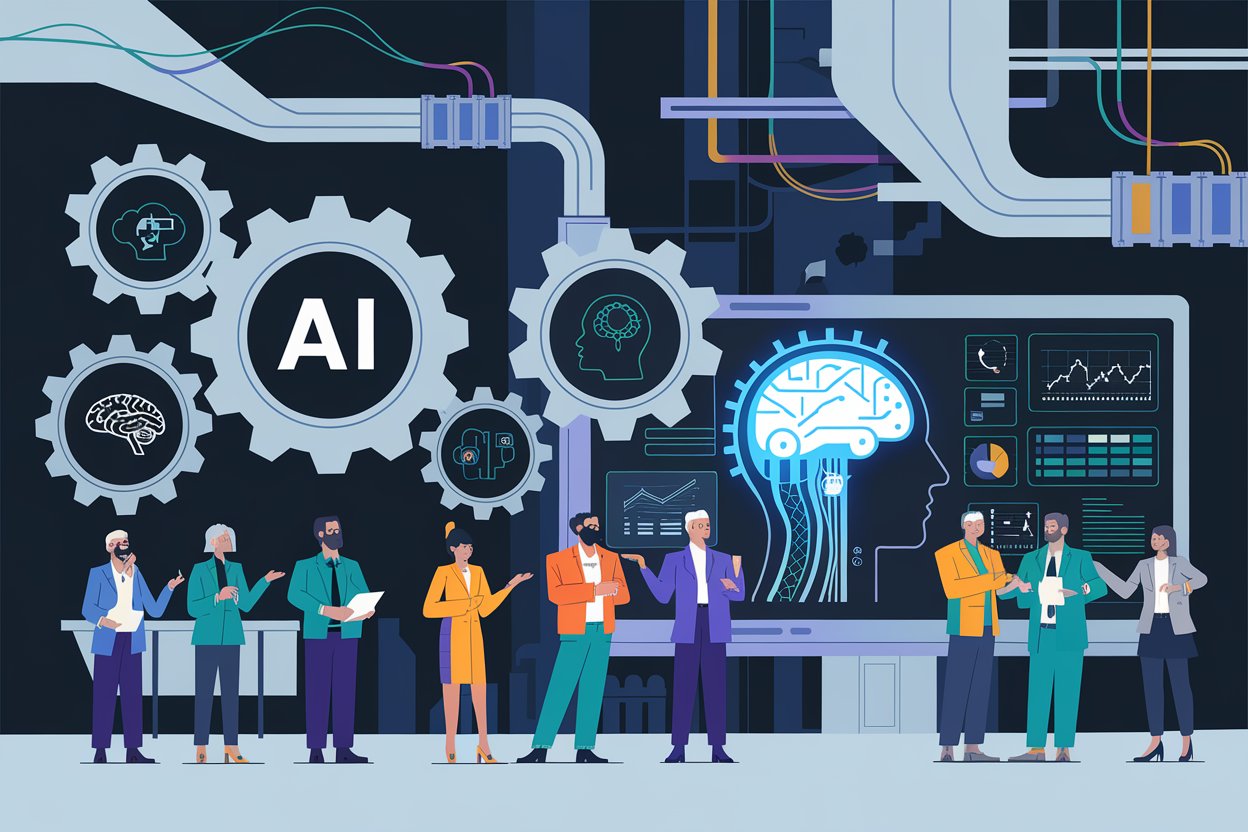
The rapid advancement of Artificial Intelligence (AI) presents unprecedented opportunities for enterprises to innovate, optimize operations, and gain a competitive edge. However, accelerating AI adoption across a large organization is a multifaceted challenge that requires a strategic approach. This post explores key strategies and best practices for successful AI implementation.
Understanding the AI Landscape
Before embarking on AI adoption, it's crucial for enterprises to understand the current AI landscape. This involves identifying relevant AI technologies—such as machine learning, natural language processing, computer vision, and generative AI—and how they can address specific business problems or create new value. A thorough assessment of internal capabilities and readiness is also essential.
Developing a Clear AI Strategy
A well-defined AI strategy aligned with overall business objectives is paramount. This strategy should outline clear goals, identify priority use cases, define success metrics, and address potential risks and ethical considerations. It should also encompass a roadmap for phased implementation, starting with pilot projects to demonstrate value and gather learnings.
Key Components of an AI Strategy:
- Use Case Prioritization: Focus on high-impact, feasible AI applications.
- Data Governance: Establish robust data management and governance frameworks.
- Talent Development: Invest in upskilling and reskilling the workforce.
- Technology Infrastructure: Ensure scalable and secure infrastructure.
- Change Management: Prepare the organization for AI-driven transformations.
Building a Data-Driven Culture
Data is the lifeblood of AI. Fostering a data-driven culture where decisions are informed by data insights is critical. This involves breaking down data silos, ensuring data quality and accessibility, and promoting data literacy across all levels of the organization. Ethical considerations regarding data privacy and bias must be at the forefront of any data strategy.
Overcoming Implementation Challenges
Enterprises often face challenges such as lack of skilled talent, data integration issues, resistance to change, and concerns about AI ethics and job displacement. Addressing these challenges proactively through targeted training programs, clear communication, and a commitment to responsible AI principles can pave the way for smoother adoption.
Collaboration between business units, IT departments, and data science teams is key. Agile methodologies can help in iterating quickly and adapting to new insights during the implementation process.
Measuring Success and Iterating
Defining clear Key Performance Indicators (KPIs) to measure the impact of AI initiatives is crucial. Regular monitoring and evaluation allow for continuous improvement and optimization of AI models and processes. The AI journey is an iterative one; embracing a mindset of continuous learning and adaptation will ensure long-term success.
At Steloy Consulting, we partner with enterprises to navigate the complexities of AI adoption, providing expert guidance and tailored solutions to unlock the full potential of AI. Contact us to learn how we can help you accelerate your AI journey.